The Biggest Apple Event since 2016
Apple’s worldwide developer conference (WWDC) keynote has officially ended. For the remainder of the week, developers, journalists, influencers, and others invited to Apple Park in Cupertino, California will be sitting in on sessions to get familiar with changes coming to iOS 17, iPadOS 17, tvOS 17, macOS 14, watchOS 10, and an all new platform, visionOS. Many will also be getting a hands on with the new MacBook Air, Mac Studio, and Mac Pro that were unveiled. And I suspect several attendees will also be getting a hands on (or more appropriately a heads on demo) of the latest hardware product Apple is adding to its portfolio, Apple Vision Pro. These software and hardware announcements have easily made this the biggest Apple Event since at least the September 2015 Event where Apple announced iPhone 6 and iPhone 6 Plus, Apple Pay, and previewed the first generation Apple Watch and watchOS.
Apple Vision Pro
Easily the biggest news of the WWDC 2023 keynote came at the very end when Tim Cook used the words made famous by his predecessor Steve Jobs, “We have one more thing.”
“Apple today unveiled Apple Vision Pro, a revolutionary spatial computer that seamlessly blends digital content with the physical world, while allowing users to stay present and connected to others.”
Apple Press Release, June 5, 2023, “Introducing Apple Vision Pro: Apple’s first spatial computer”

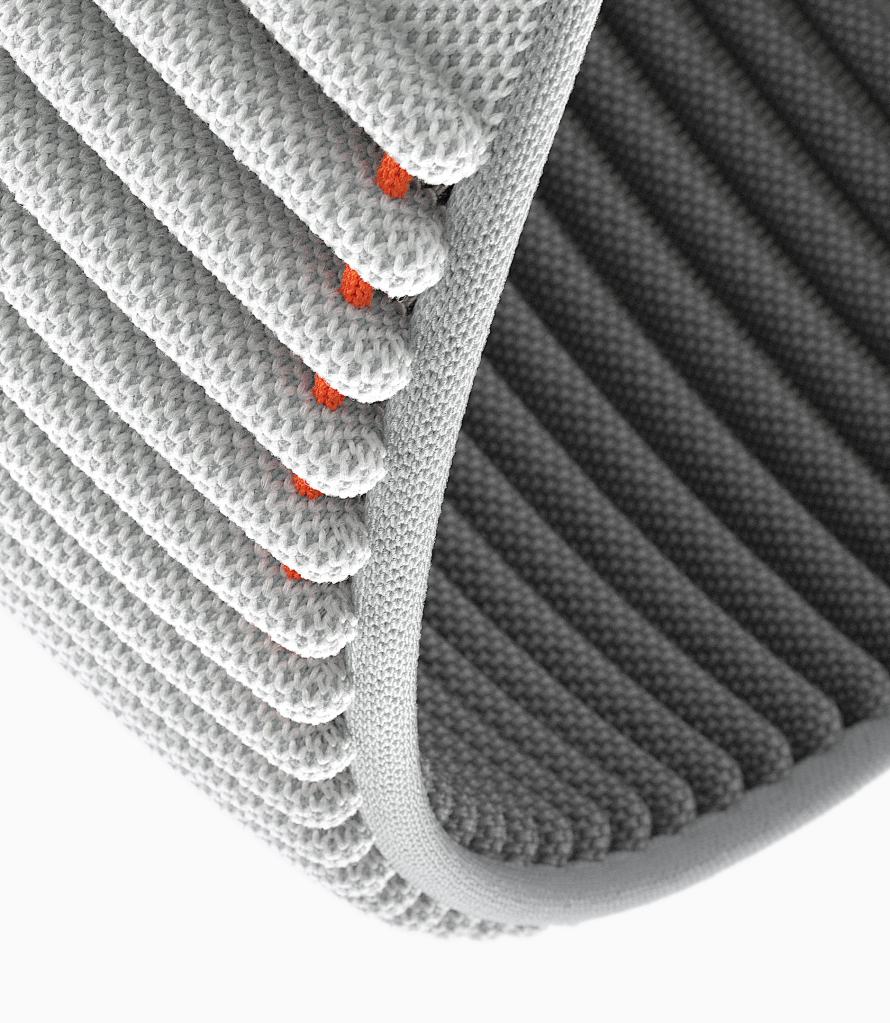
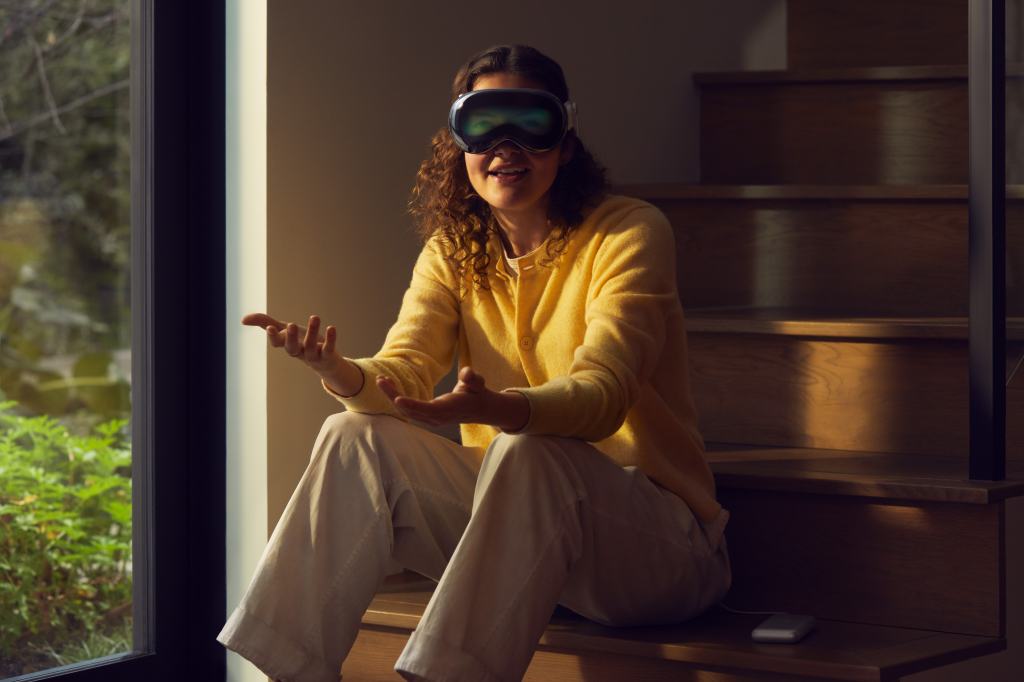

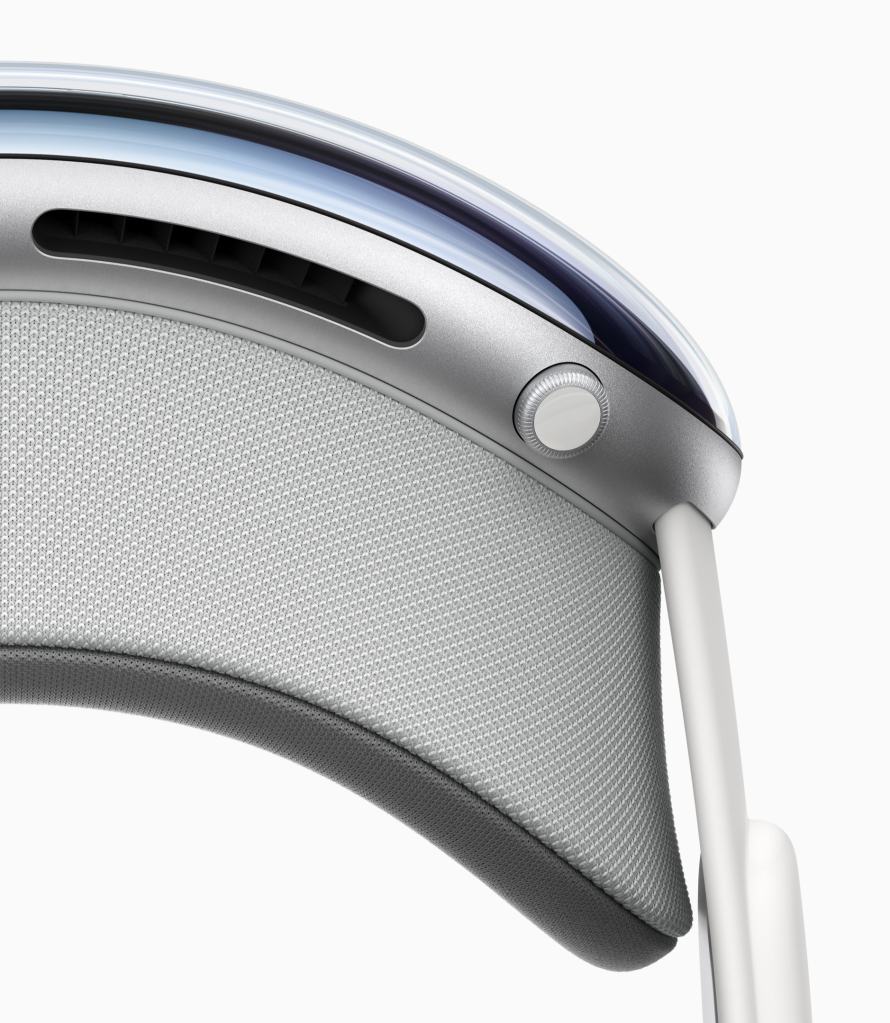

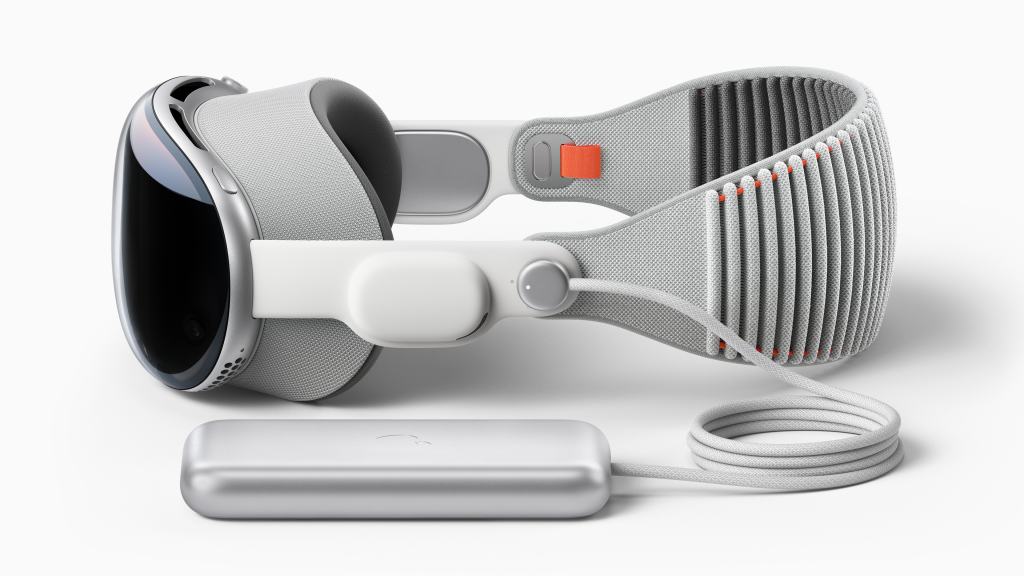
Apple Vision Pro is described by the company as a “spacial computer” but it is probably best described as an augmented reality (AR) headset. Many details about the headset are not currently know, but that is to be expected for a product that will not ship until early 2024, similar to the launch timing of the original Apple Watch. We do know that the product starts at a jaw-dropping $3,500 price tag, not including the prescription lenses that you may need to use the device or any other potential upgrades. The headset is made up of several different pieces that Apple claims creates a modular system. The first part is the head band that can be detached and replaced with another in a different size. The second is the audio strap that puts a speaker right next to your ear. The third is the light seal which conforms to your face to block out all stray light. Fourthly is the enclosure that houses the lenses, screens, M2 and R1 chips, and all the cameras and (presumably) LiDAR sensors that make the entire experience possible. And finally, the battery pack that will deliver a maximum of 2 hours of battery life. All these pieces combine to create the singular Apple Vision Pro headset.
As someone who has not, and will not, go hands on with the device for many more months, I am reserving judgement not he product until I do so. However I do have many questions about this product though. More to come.
iOS 17, iPadOS 17, tvOS 17, macOS 14, and watchOS 10
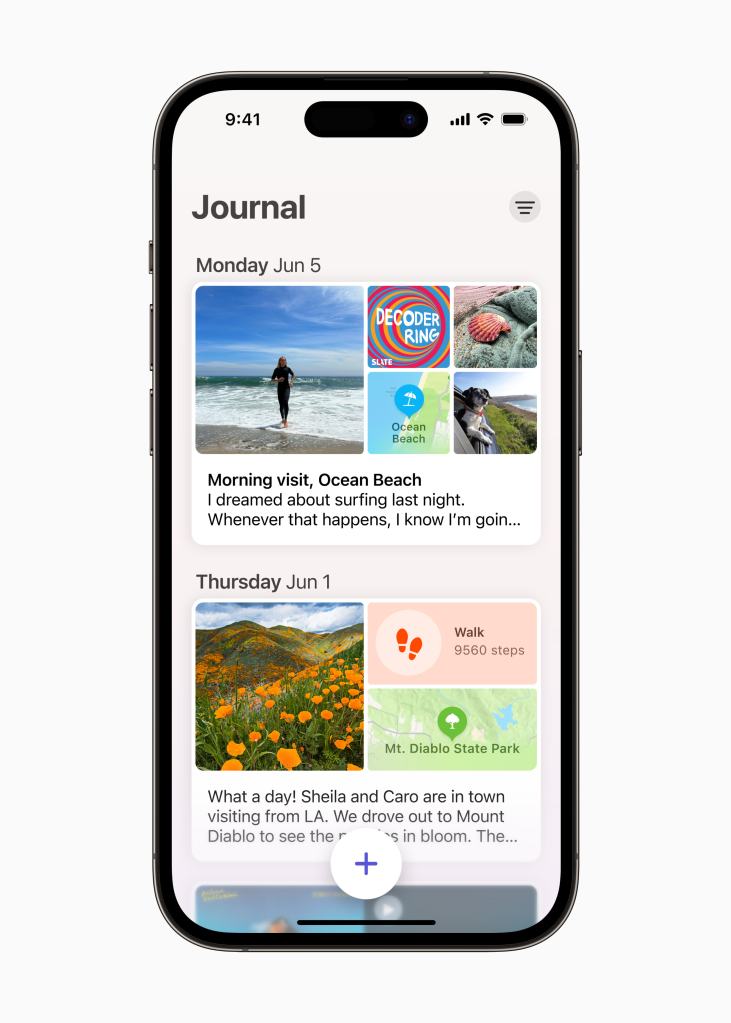
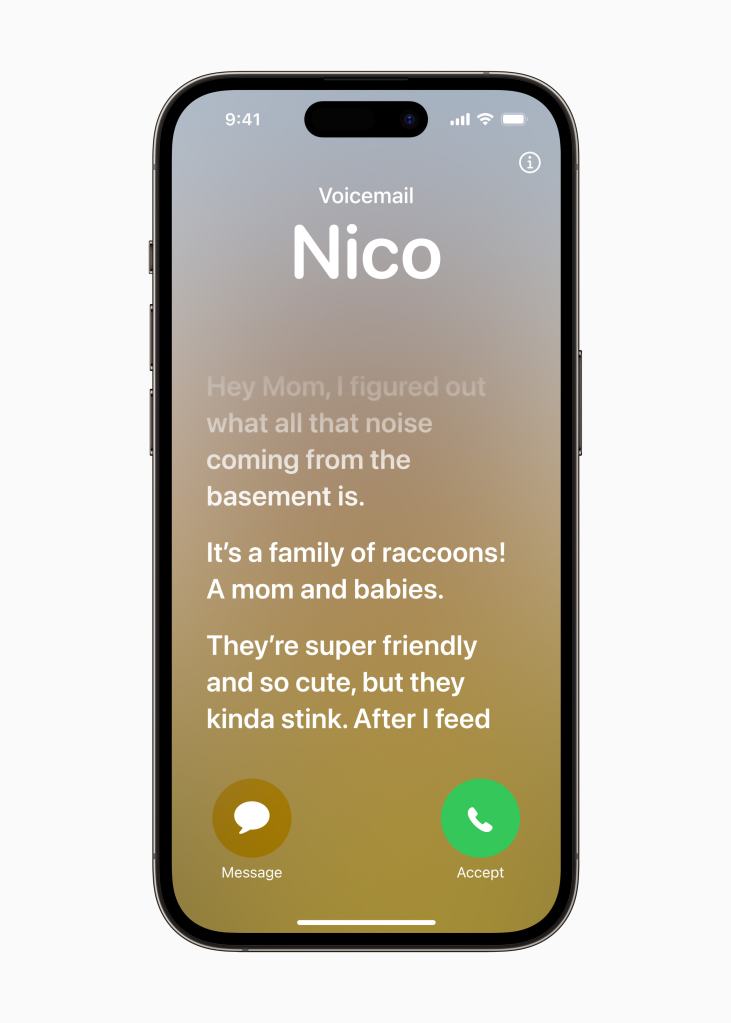
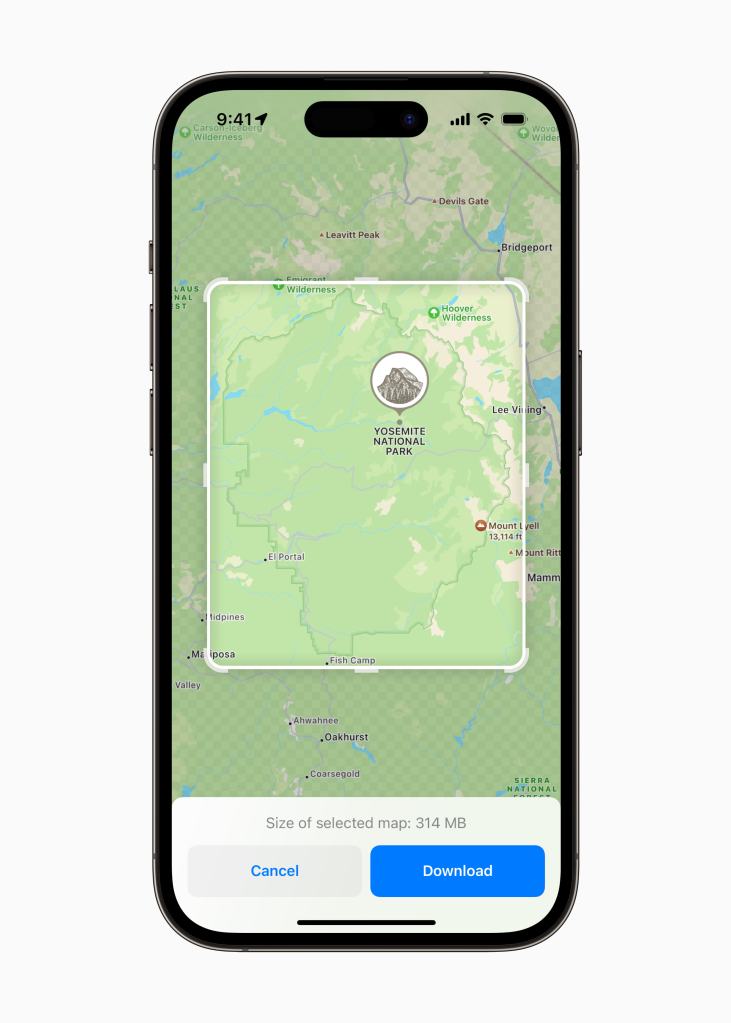
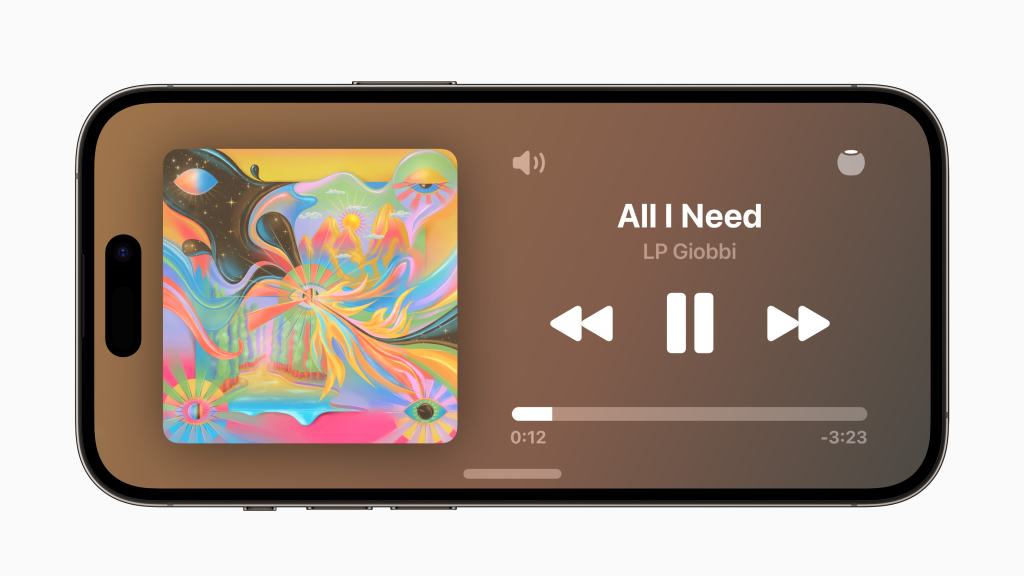
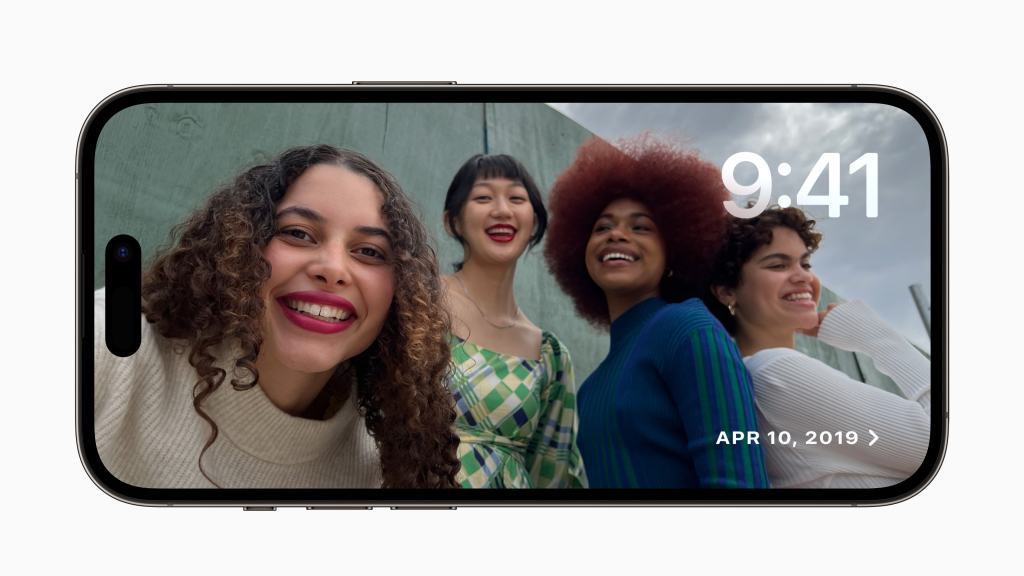
These platforms are par for the course at most WWDC conferences and in line with that, they all made appearances in the keynote. The changes this year seem relatively light compared to several past years, but there is still a good handful of changes and new features coming to everything. iOS, for example, has a new feature called “Standby” that allows it act a lot like a home hub with a screen from other companies like Google and Amazon. There are a lot of personalization and social features coming across the system, like creating stickers from Photos that can be accessed from the Keyboard in any app and the ability to create a custom incoming phone call interface. It is all pretty neat.
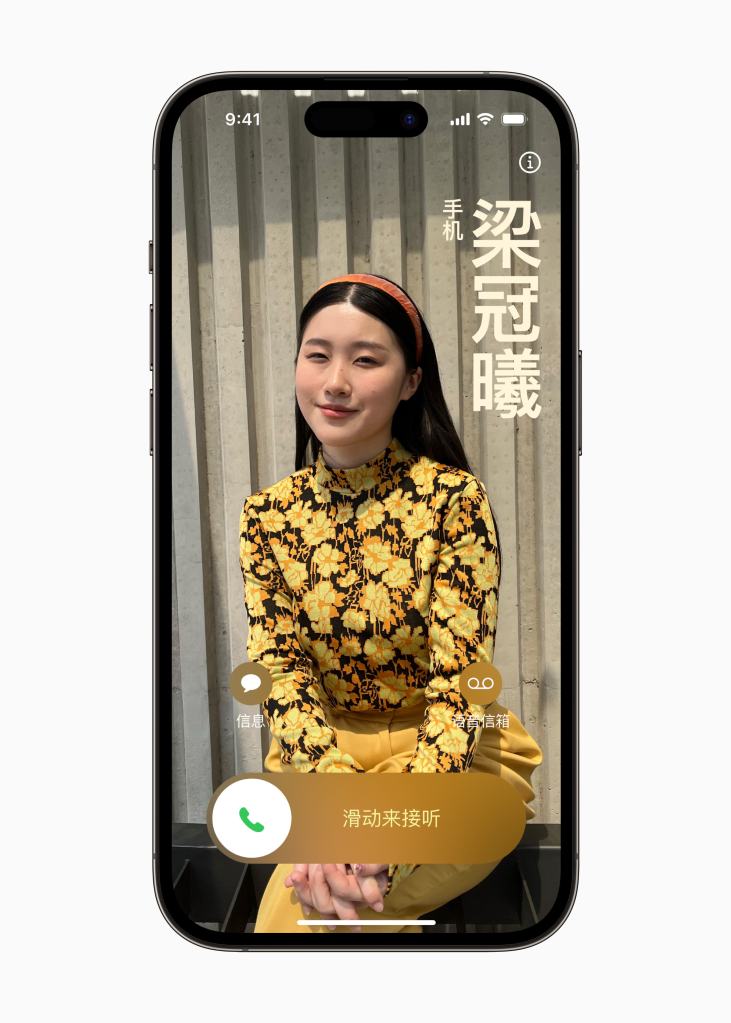
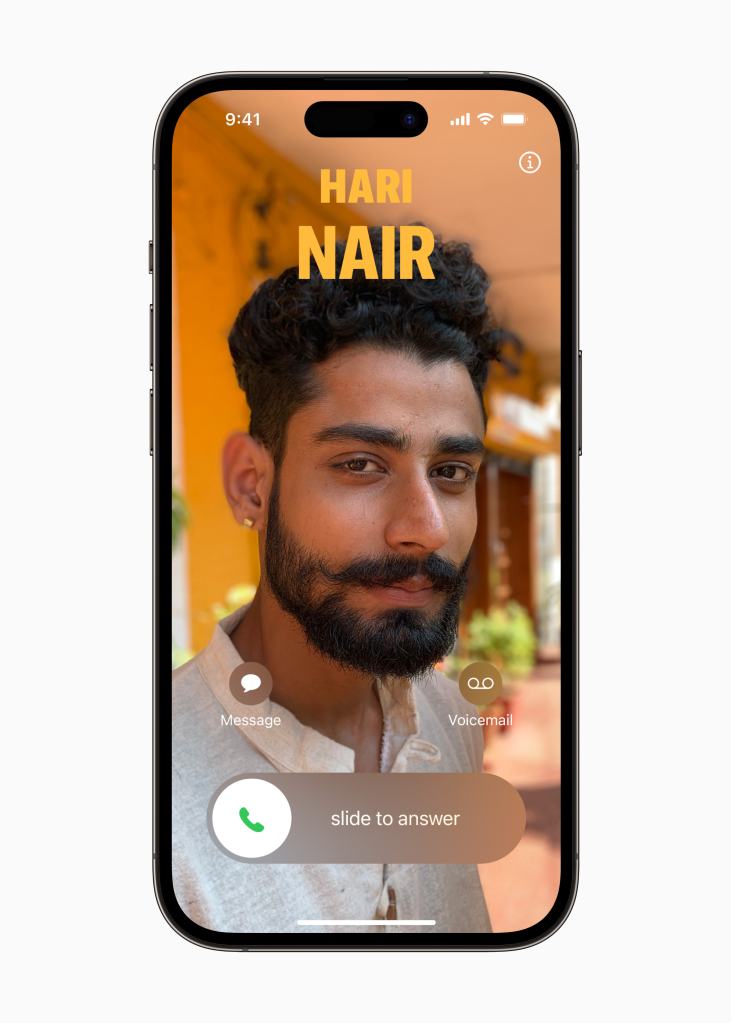
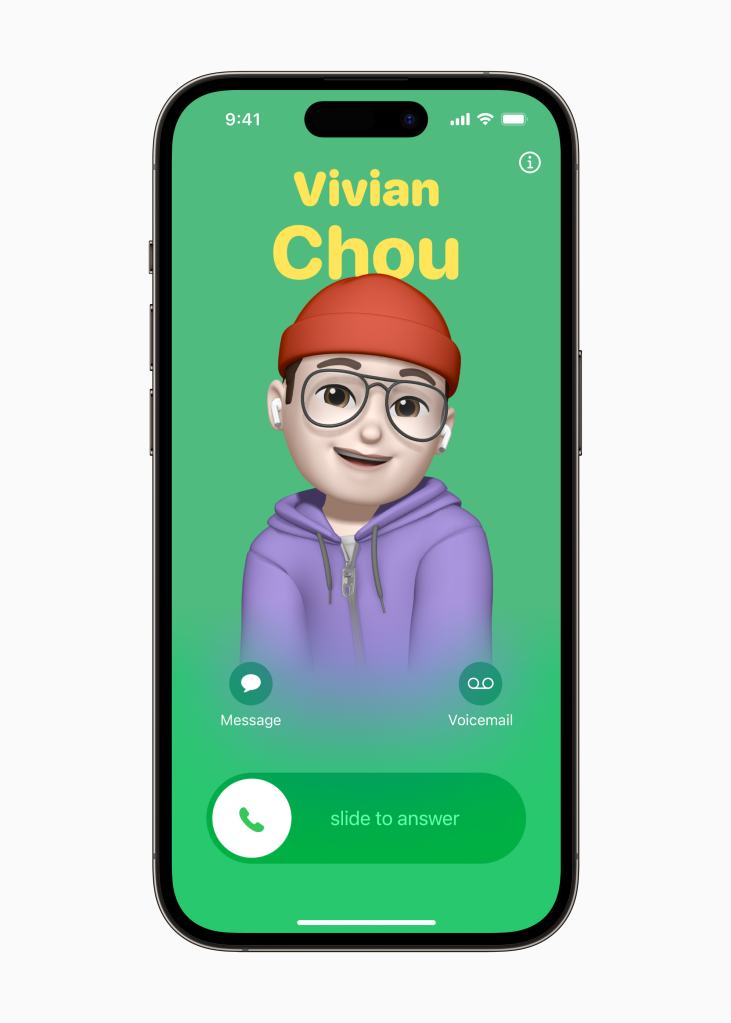





iPadOS 17 once again finds itself playing catch up to iOS 16 from last year, finally getting many of its features from last year like customizable Lock Screens and support for the Live Activities API, but many of this years features also come over this year like the keyboard changes and social features. Unlike previous years where there has been at least one standout iPad exclusive feature, there isn’t one readily presenting itself this year. It does make me wonder why Apple gave the iPad its own OS in the first place if it regularly can’t keep up with iOS and rarely gets its own improvements.
tvOS did make an appearance, something that it infrequently does. The Home Screen can now fit more apps than it does now, in addition to a new Control Center. There is also a new feature to find the Siri Remote and Continuity Camera comes to tvOS allowing users to take FaceTime calls right on Apple TV with video coming from a connected iPhone camera. It works with many apps to offer a new side-by-side/SharePlay view so you can see both your friends and the content on your Apple TV. It’s actually pretty neat.
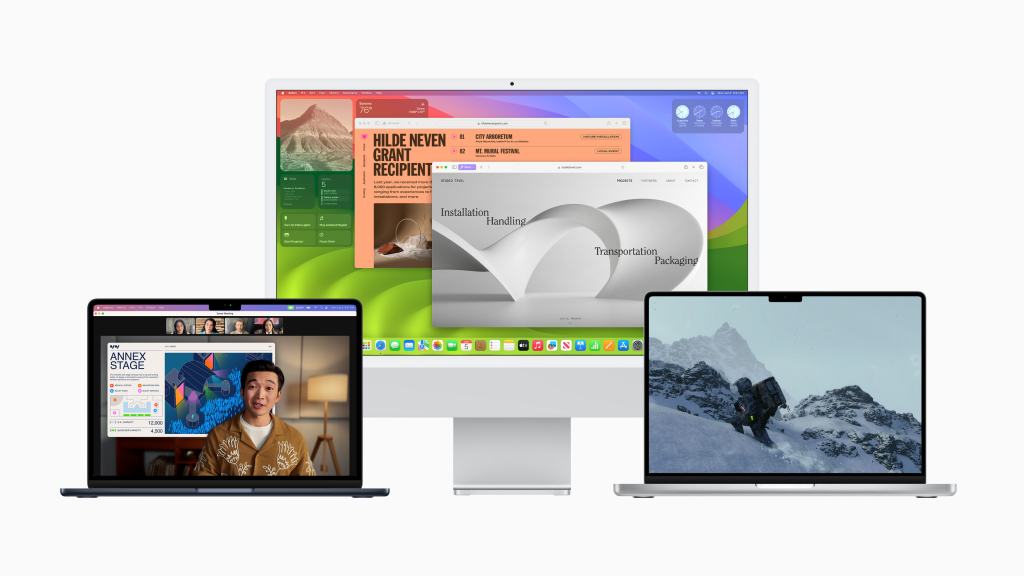
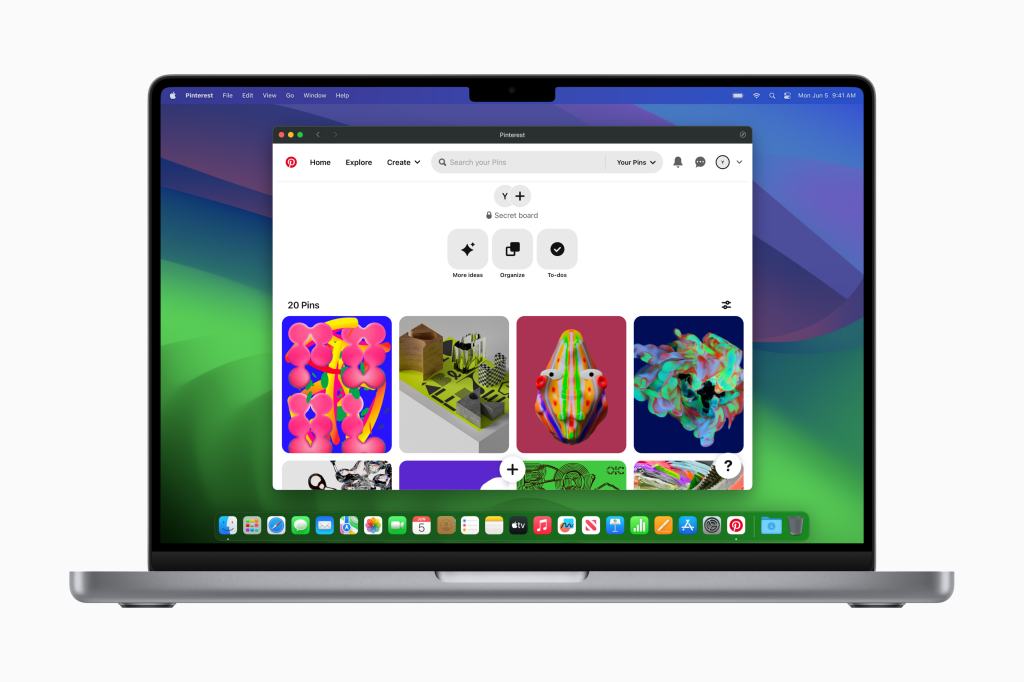
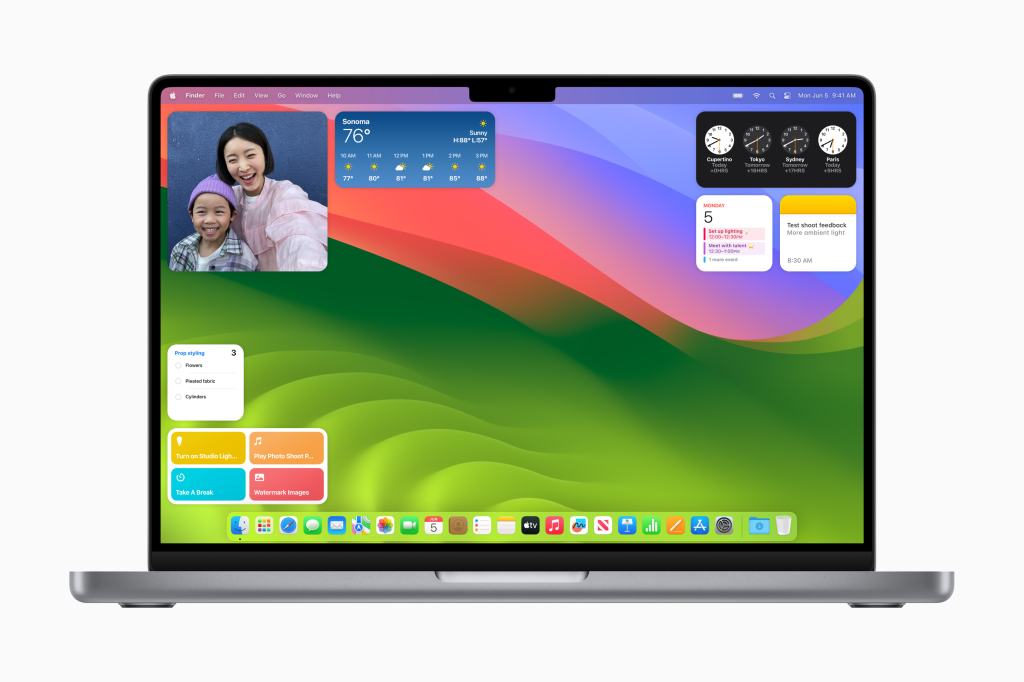
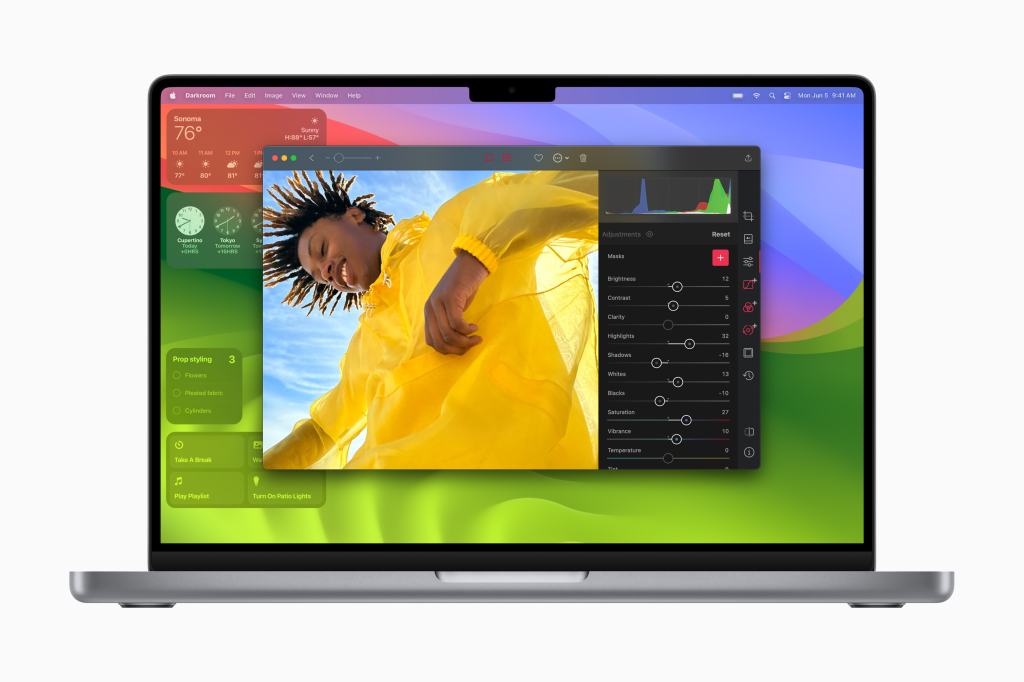
macOS 14 got many of the improvements that are coming in iOS 17 as well as many new fun video conferencing features. There are also many Mac specific adoptions of other OS features like widgets now being able to placed on the desktop, the Lock Screen looks more similar to that of iPadOS and gets the Screen Savers from tvOS. It’s really neat! And yes, Craig was happy to share the name of this release; macOS 14 Sonoma. I called it!

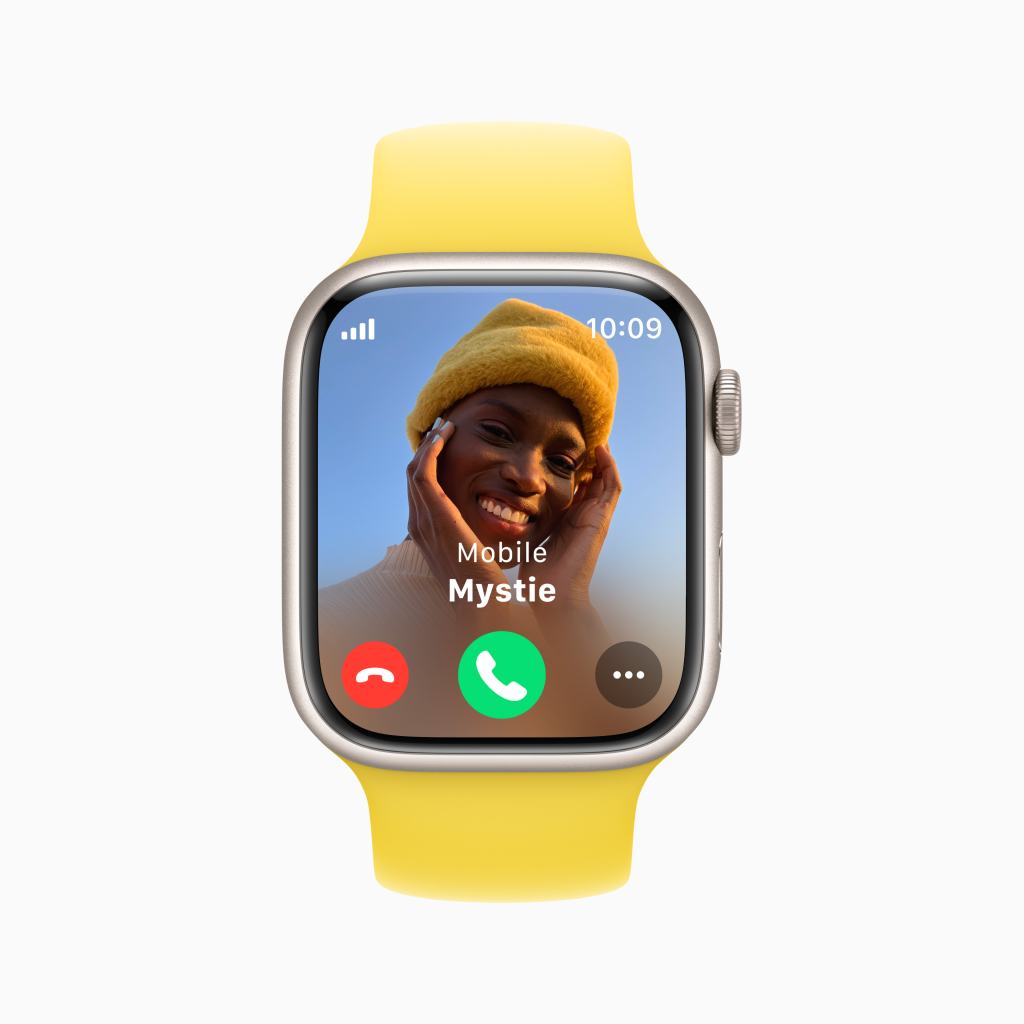
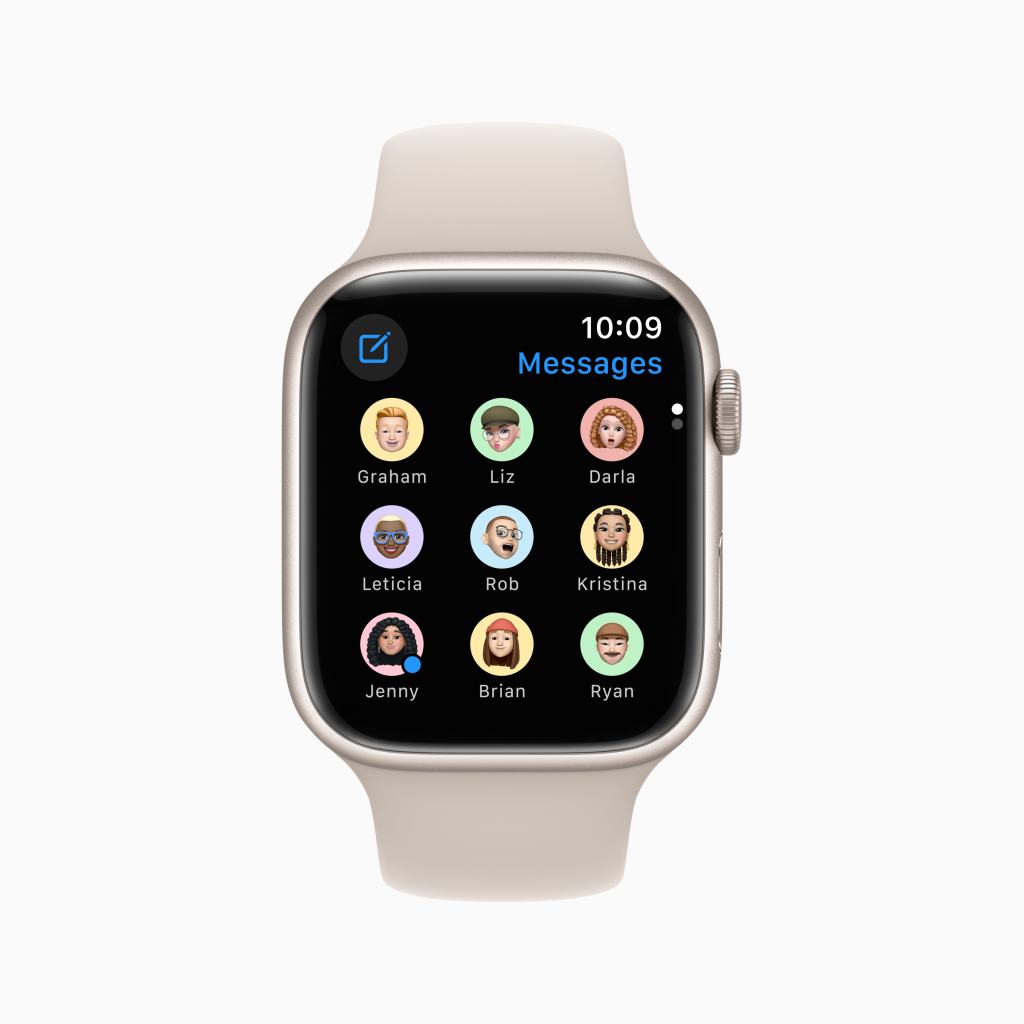
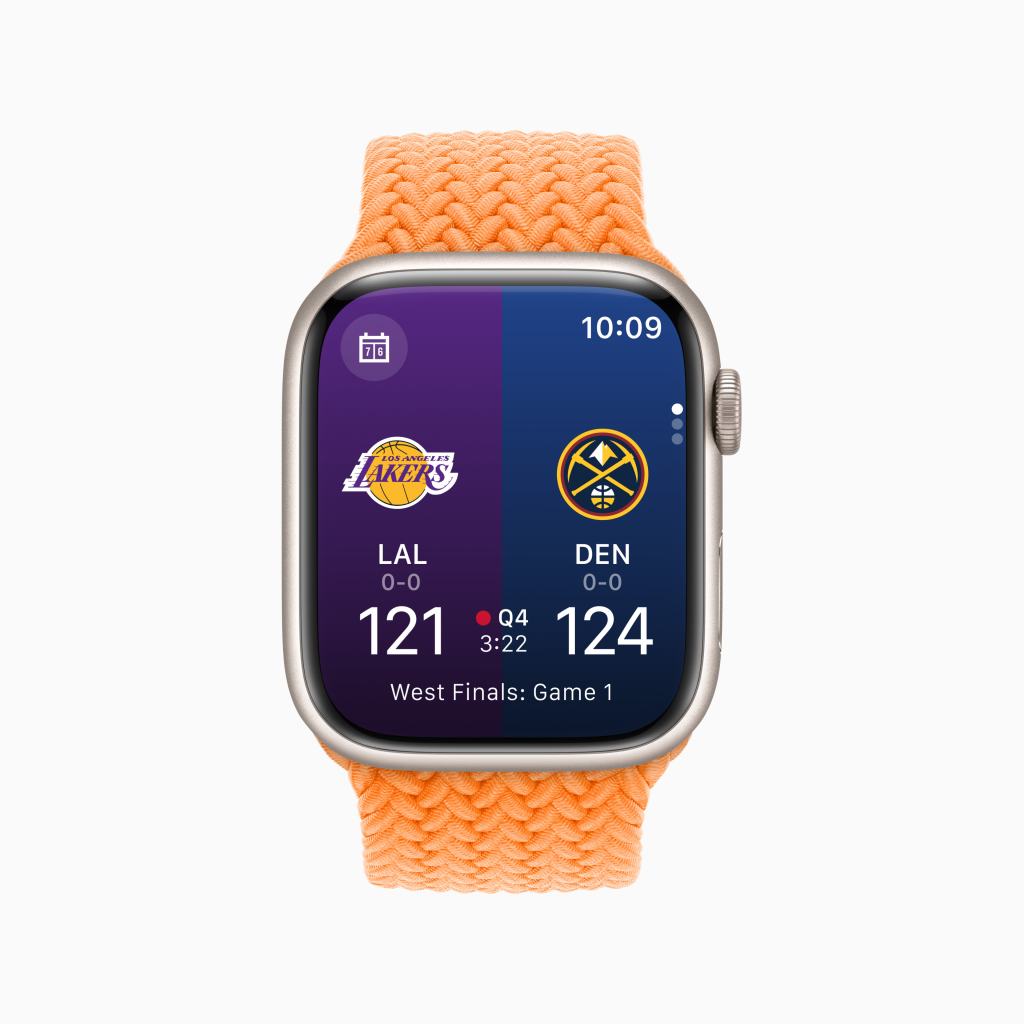
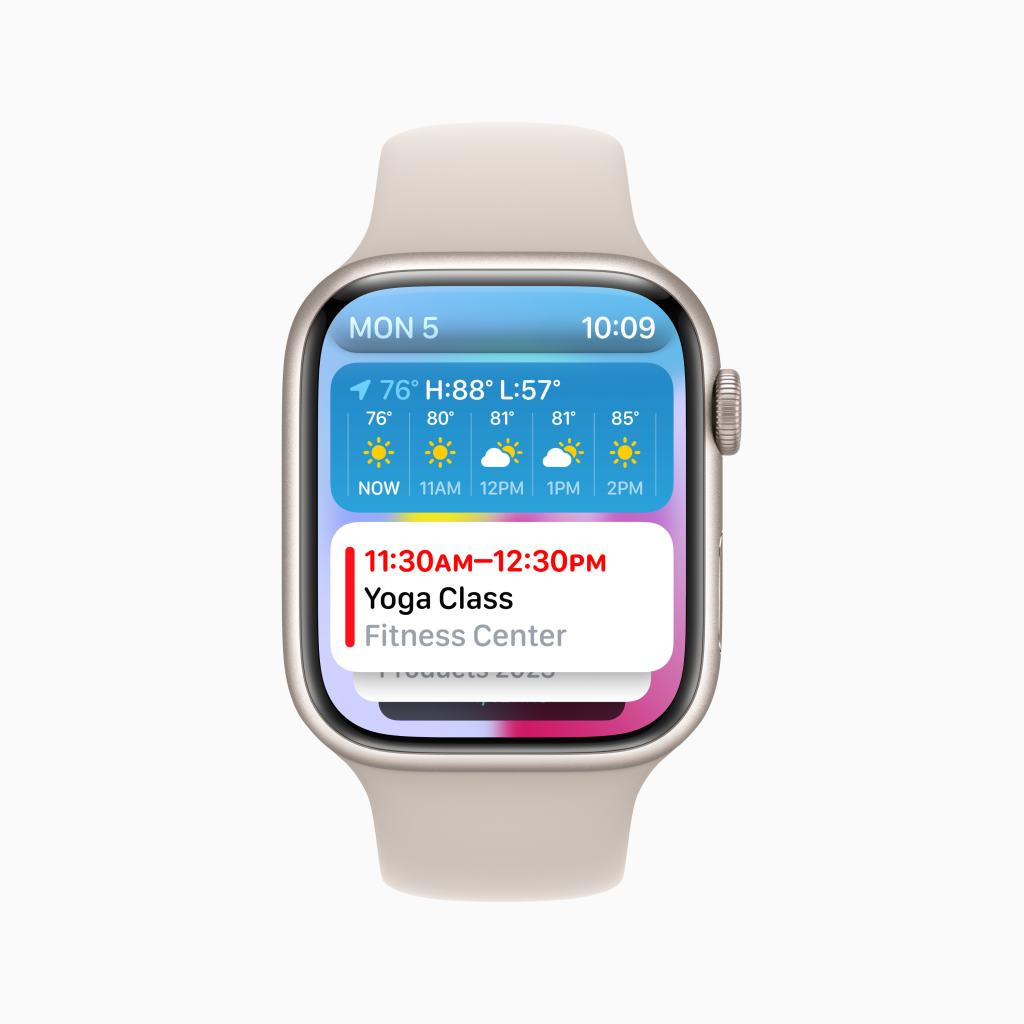
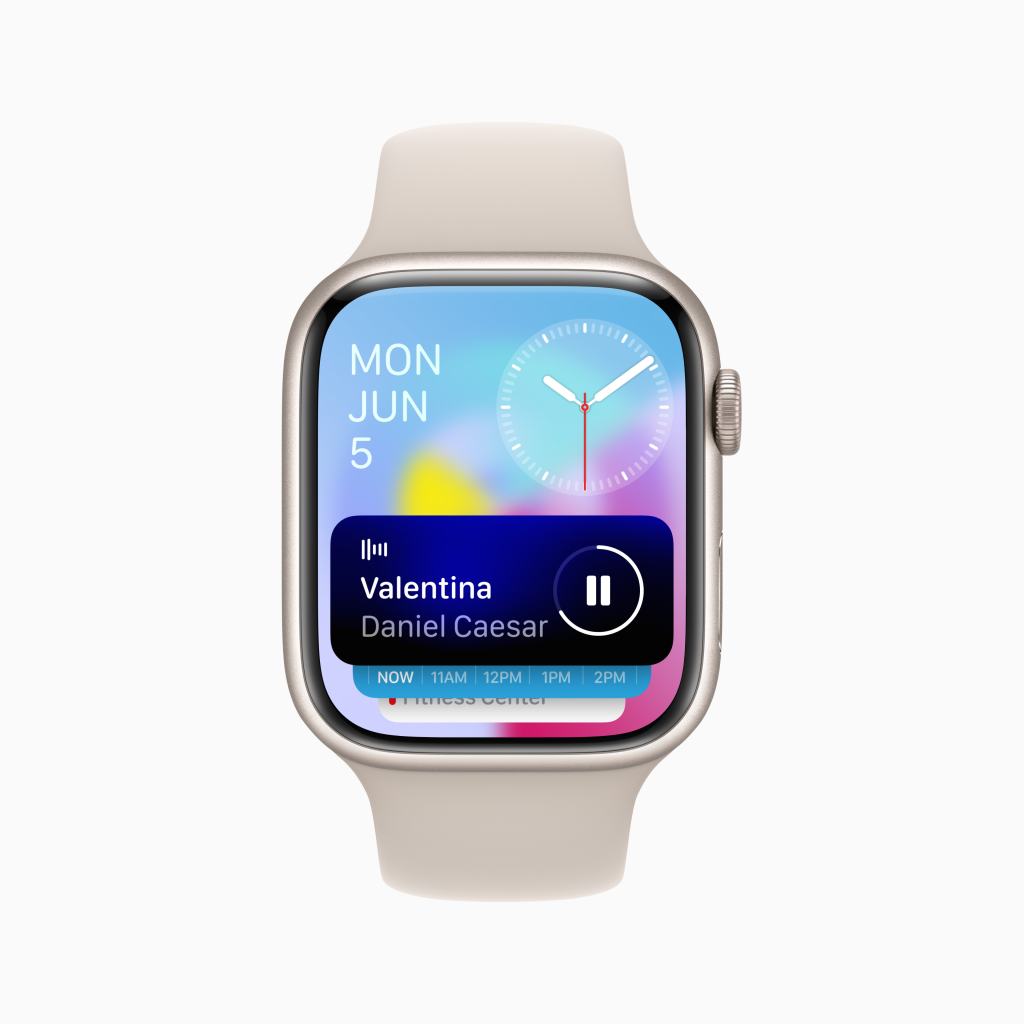
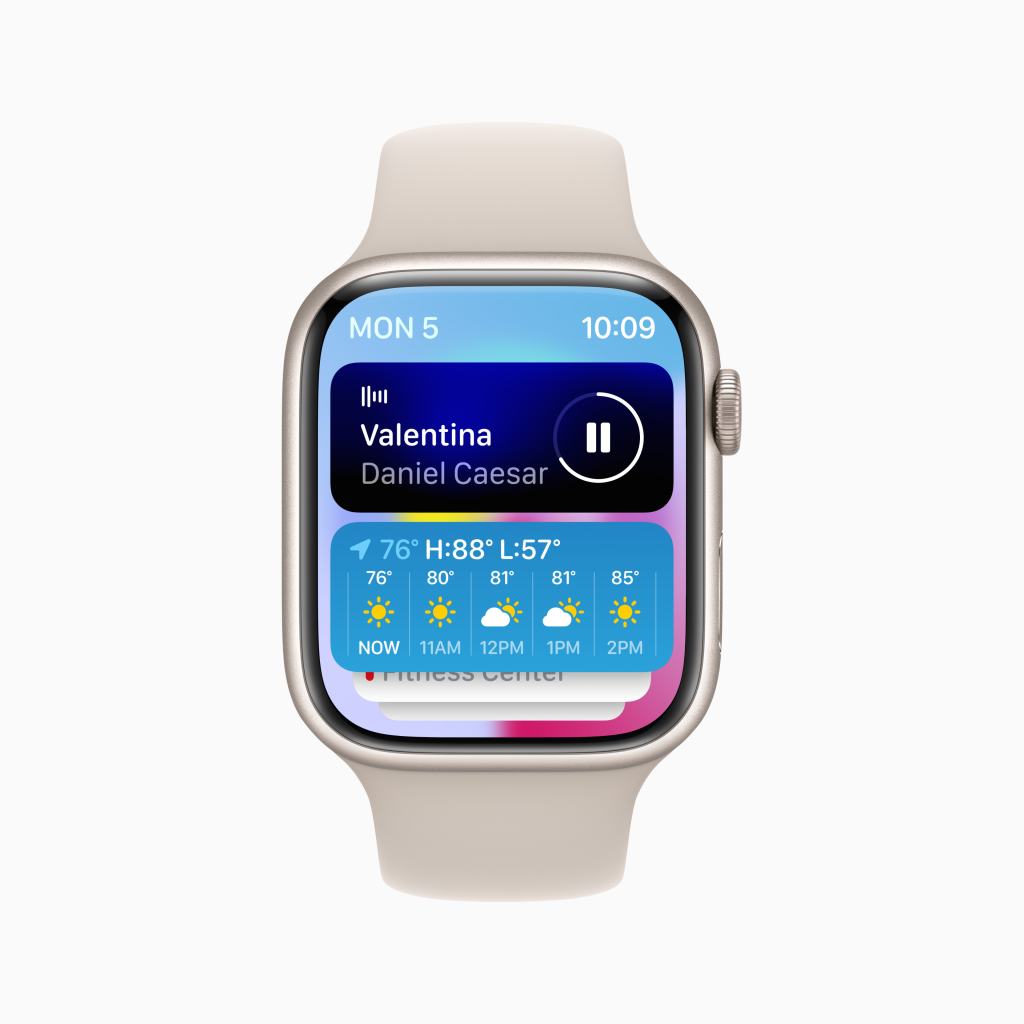
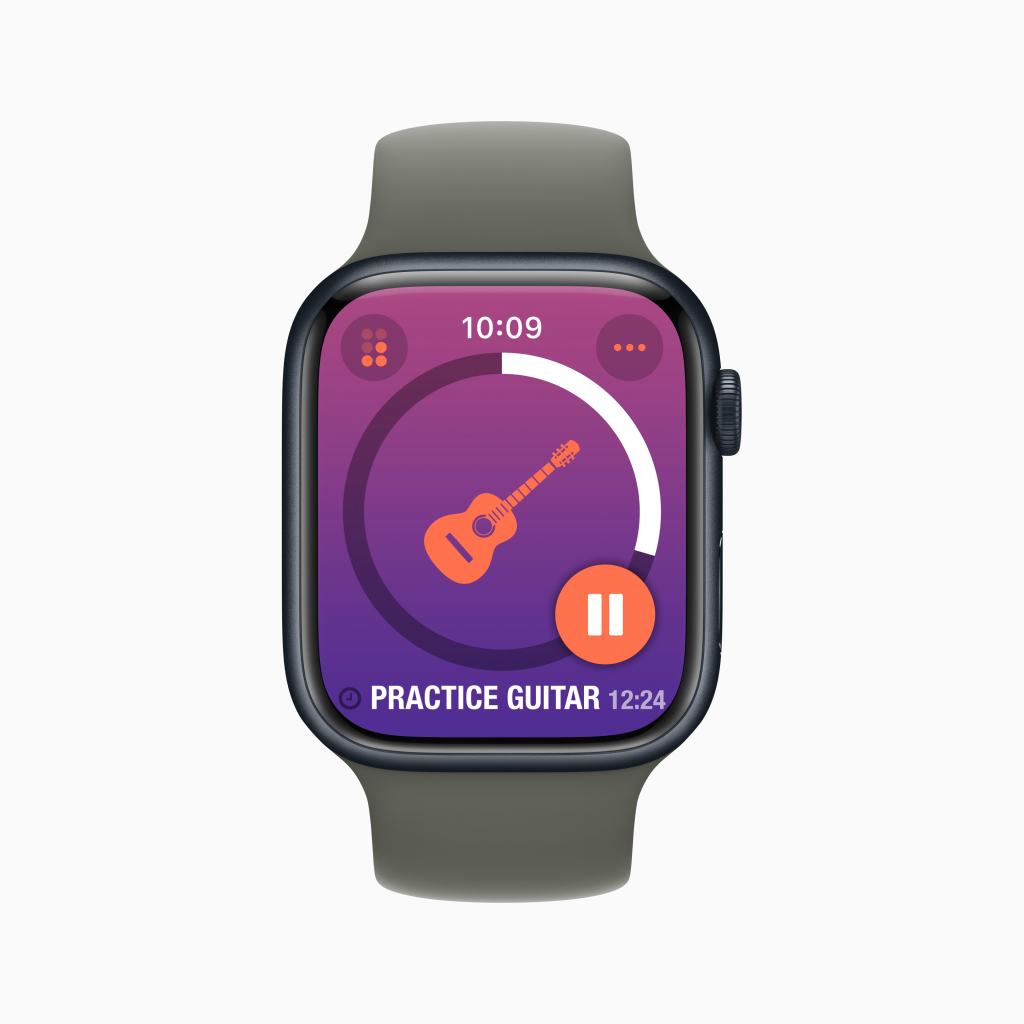
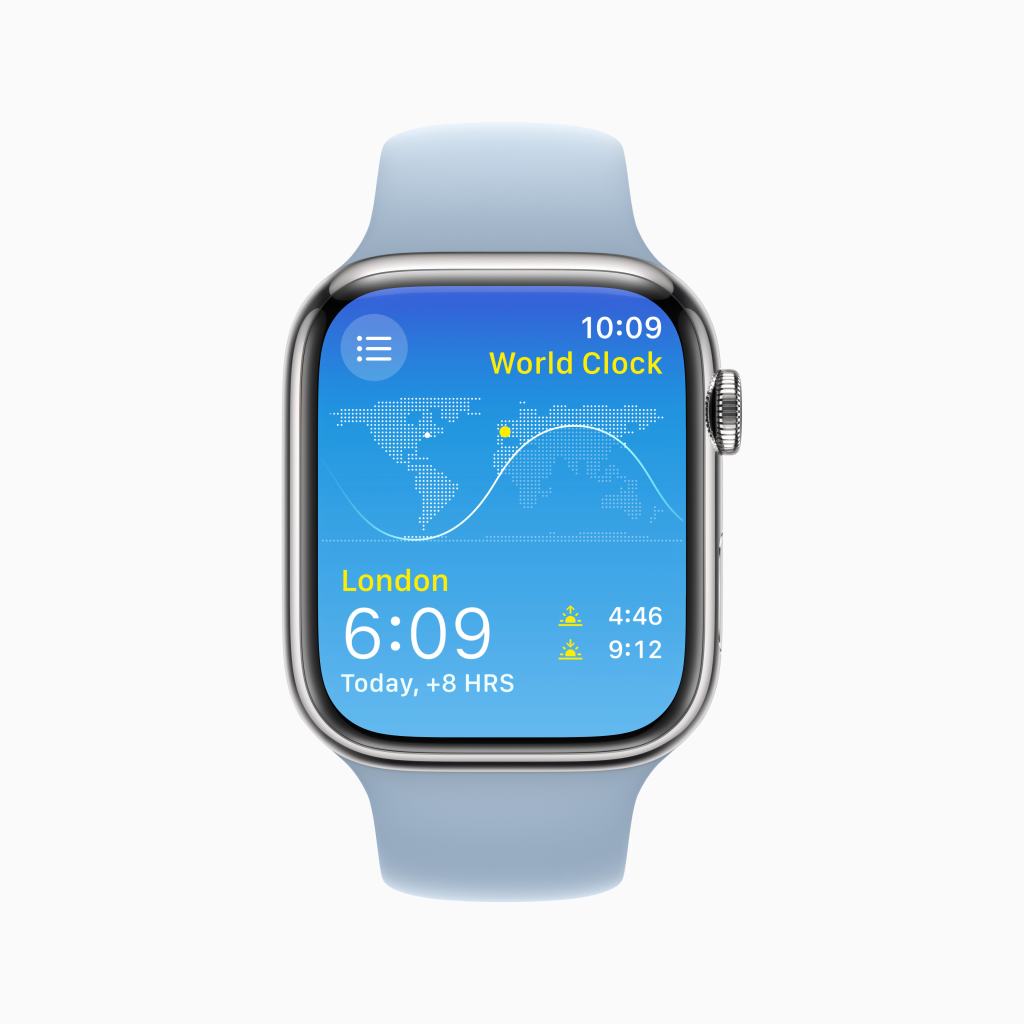
watchOS probably got the biggest reinvention of all the platforms this year. Virtually all Apple apps got an all new design, the Smart Stack was introduced- merging the iOS widget Smart Stack feature with the Siri Watch Face design and the Dock- that can now be found on every face by using the Digital Crown. The Side Button now invokes Control Center and the Home Screen got facelift as well, retaining its bubbly grid layout but it’s now larger. I am eager to go hands on with this update in July.











The Apple Silicon Transition is now Complete
Back at WWDC 2020, Apple officially unveiled their plans to transition the Mac from Intel to Apple Silicon. At the time, they provided developers some guidance on how the transition would work.
“Apple plans to ship the first Mac with Apple silicon by the end of the year and complete the transition in about two years.”
Apple Press Release, June 22, 2020, “Apple announces Mac transition to Apple silicon”
At the time, Apple estimated the transition would take 2 years (ending at the end of 2022), but this did not come to pass. Today however, 2.5 years later, the transition is now complete as the Mac Pro has finally made the jump to Apple Silicon. In addition, the Mac Studio got upgraded with the M2 Max and all new M2 Ultra chips. I will dedicate more time to the significance of the Apple Silicon transition now being complete, as well as how the Mac Pro made the jump, in a later post, but I do not want to diminish the huge accomplishment Apple has made by completing this transition.
My Standout Favorites
As I reflect on what will be most impactful to me as a consumer when this software comes out this fall, I think watchOS 10 will be much more pleasant to use though I do worry how Apple changing the basic functions of Apple Watch will sit with users.
The Standby feature of iOS 17 doesn’t look quite right to me. It seems like nothing is properly in proportion to anything else on the screen and it seems quite complicated to navigate. It generally feels like a feature Apple is shoving though the backdoor of iOS to eventually bring to iPadOS and/or another new product line for the home.
The new Journal app coming in iOS 17 looks to be pretty close to what I was hoping we’d get. More details can be found in this post.
And as the only person who enjoys Apple News+, there is a change coming to the service in regards to Audio Stories… they’re no longer part of Apple News+. Starting this fall, Apple News Audio Stories will be available to listen to in the Podcasts app. In some ways, this solves many of my main complaints with eh feature, but also changes the nature of Apple News+ as a service more broadly. I look forward to creating a followup to my previous post. Oh, and you can do crossword puzzles in the News app now too. Neat.
Apple Vision Pro isn’t a standout to me just yet. There are too many unknowns of the product and everything Apple did show only falls into the “neat” category for me. It is clear that Apple has spent a lot of time thinking about AR and how users should interact with it. There are two things that Apple is not doing that competitors like Meta are, that I think sets Apple up for greater success. First, they are not reinventing reality. Unlike Meta, who believes users will spend all day, everyday in virtual reality (VR) worlds to take meetings or share spaces with co-workers, Apple understands that isn’t possible. They seem to be building the Vision Pro to extend reality and be as compatible with current “legacy” hardware and software as possible. The second is that Vision Pro is seemingly not an accessory to the iPhone. It is a standalone device not requiring any additional hardware to control, unlike competitors who want users to hold special controllers in each hand or plug in to a separate computer to power their experience. But like I said, more details are needed to make any kind of judgment.
The Next Several Weeks
The next several weeks on this blog will be more of a deep dive into iOS, iPadOS, macOS, tvOS, the Mac transition, and Apple Vision Pro. As a member of the Public Beta program, I will also be sharing details about these new platforms throughout the summer. I also have many other smaller projects I hope to publish to keep the topics on this blog fresh and new. I hope you return to read more about my thoughts on Apple in the coming weeks!
 Soul of Apple
Leave a comment